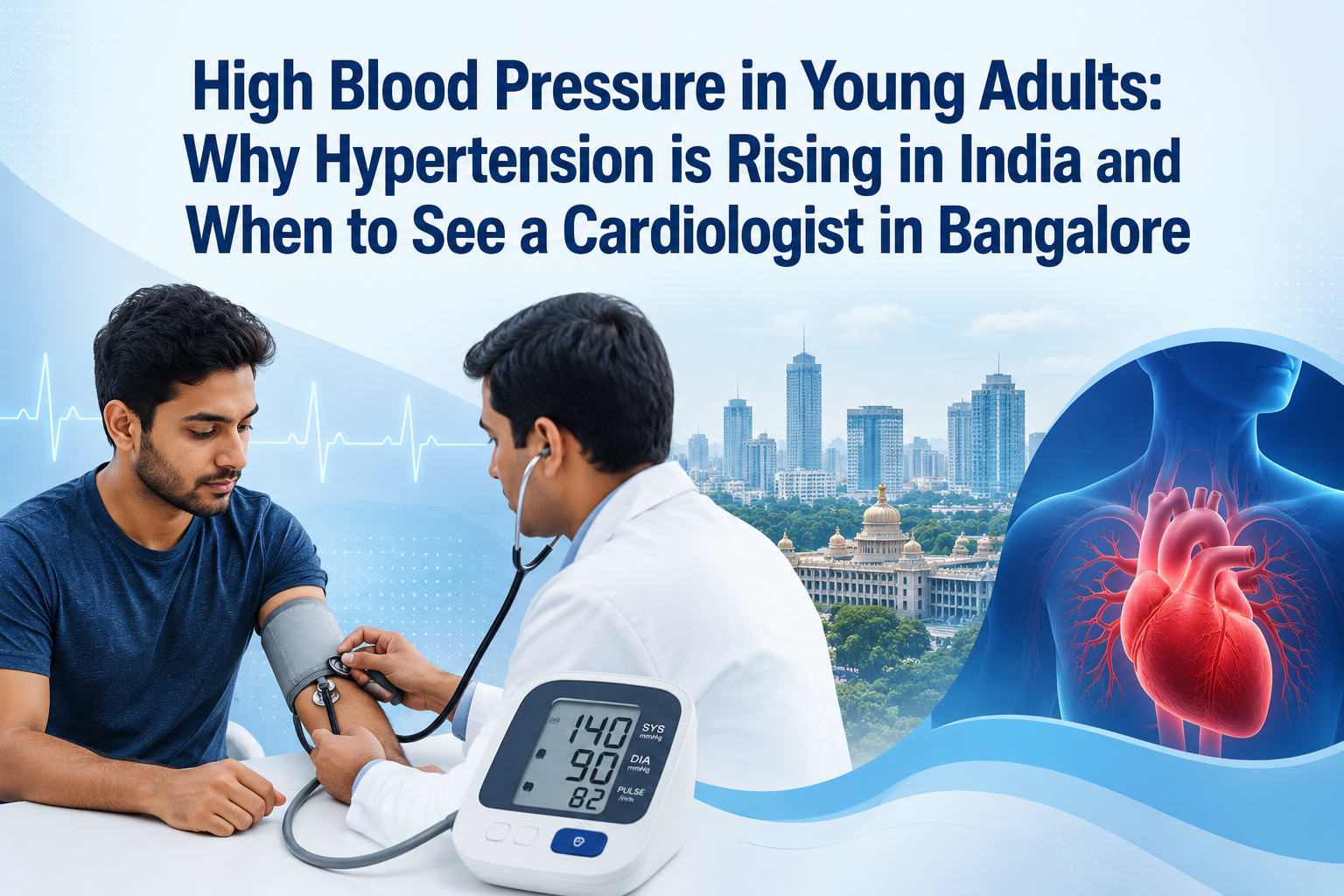
For decades, high blood pressure (hypertension) was considered a disease affecting people over the age of 50. However, this trend has changed significantly in recent years. Today, an increasing number of individuals in their 20s, 30s, and early 40s are being diagnosed with hypertension. This growing health concern is largely driven by modern lifestyles, unhealthy dietary habits, work-related stress, obesity, lack of physical activity, and underlying medical conditions.
Hypertension is often called the “Silent Killer” because it usually develops without noticeable symptoms. Many people remain unaware that they have high blood pressure until it causes serious complications such as heart attack, stroke, kidney disease, or heart failure.
The good news is that early detection and appropriate management can significantly reduce these risks. Understanding the causes, symptoms, risk factors, and treatment options is the first step toward protecting your heart.
What is High Blood Pressure?
Blood pressure is the force with which blood flows through your arteries. It is measured using two numbers:
- Systolic Blood Pressure: The pressure when the heart contracts and pumps blood.
- Diastolic Blood Pressure: The pressure when the heart relaxes between beats.
A healthy blood pressure is generally considered to be around 120/80 mmHg.
When blood pressure remains consistently elevated over multiple readings, it is diagnosed as hypertension.
Unlike many diseases, high blood pressure often does not cause obvious symptoms in its early stages. This is why routine blood pressure monitoring is essential for everyone, including young adults.
Why is Hypertension Increasing Among Young Adults?
Several lifestyle and health-related factors have contributed to the rising incidence of hypertension among younger individuals.
1. Sedentary Lifestyle
Many young professionals spend long hours sitting at desks, working on computers, or using mobile devices with minimal physical activity. Lack of exercise reduces cardiovascular fitness, contributes to weight gain, and increases blood pressure over time.
2. Unhealthy Eating Habits
Fast foods, processed snacks, sugary beverages, packaged meals, and excessive salt intake have become common dietary habits. These foods contain high amounts of sodium, unhealthy fats, and preservatives that increase blood pressure and negatively affect heart health.
3. Obesity and Excess Body Weight
Being overweight forces the heart to work harder to circulate blood throughout the body. This increased workload raises blood pressure and significantly increases the risk of developing cardiovascular disease.
4. Chronic Stress
Long working hours, financial pressure, academic stress, family responsibilities, and inadequate relaxation contribute to chronic stress. Persistent stress causes hormonal changes that may increase blood pressure over time.
5. Lack of Quality Sleep
Sleeping less than the recommended number of hours or having poor-quality sleep affects the body’s ability to regulate blood pressure. Sleep disorders such as obstructive sleep apnea can also contribute to hypertension.
6. Smoking and Tobacco Use
Nicotine causes blood vessels to narrow, increasing blood pressure and heart rate. Smoking also damages the lining of blood vessels, increasing the risk of heart attack and stroke.
7. Excessive Alcohol Consumption
Heavy alcohol intake can increase blood pressure, contribute to weight gain, and interfere with medications used to control hypertension.
8. Diabetes and High Cholesterol
Young adults with diabetes or high cholesterol are more likely to develop hypertension. These conditions damage blood vessels and increase the risk of cardiovascular disease.
9. Family History
Individuals with parents or siblings diagnosed with hypertension are at a higher risk of developing the condition themselves.
Signs and Symptoms of High Blood Pressure
One of the most dangerous aspects of hypertension is that it usually causes no symptoms until complications develop.
Some people may experience:
- Frequent headaches
- Dizziness
- Blurred vision
- Chest discomfort
- Fatigue
- Palpitations
- Shortness of breath
- Nosebleeds (in some cases)
However, many individuals feel completely healthy despite having dangerously high blood pressure.
Who is at Risk?
You are more likely to develop hypertension if you:
- Are overweight or obese
- Consume excessive salt
- Smoke cigarettes
- Drink alcohol regularly
- Have diabetes
- Have high cholesterol
- Have kidney disease
- Experience chronic stress
- Have a family history of hypertension
- Lead a physically inactive lifestyle
Why is High Blood Pressure Called the Silent Killer?
High blood pressure damages the body’s blood vessels gradually over several years.
Because this damage occurs silently without causing pain, many patients remain undiagnosed until a major health event occurs.
Regular health check-ups can detect hypertension before irreversible complications develop.
Complications of Untreated Hypertension
Ignoring high blood pressure can result in life-threatening health problems.
Heart Attack
High blood pressure damages coronary arteries, reducing blood flow to the heart muscle.
Stroke
Hypertension is one of the leading causes of stroke because it weakens and damages blood vessels supplying the brain.
Heart Failure
Over time, the heart muscle thickens and becomes weaker due to the extra effort required to pump blood.
Kidney Disease
The kidneys depend on healthy blood vessels for proper filtration. Persistent hypertension damages these vessels, reducing kidney function.
Vision Problems
Damage to tiny blood vessels in the eyes can lead to blurred vision and, in severe cases, vision loss.
Peripheral Artery Disease
Poor circulation caused by damaged arteries can affect blood flow to the legs and feet, resulting in pain and difficulty walking.
How is High Blood Pressure Diagnosed?
Your cardiologist may recommend:
- Blood pressure monitoring over multiple visits
- Electrocardiogram (ECG)
- Echocardiogram
- Blood sugar testing
- Lipid profile
- Kidney function tests
- Urine analysis
- Holter blood pressure monitoring in selected patients
These investigations help determine the severity of hypertension and identify any underlying causes or complications.
Treatment for High Blood Pressure
Treatment depends on your blood pressure readings, age, overall health, and associated medical conditions.
Lifestyle Modifications
Lifestyle changes form the foundation of hypertension management.
Follow a Heart-Healthy Diet
Eat plenty of:
- Fresh fruits
- Green leafy vegetables
- Whole grains
- Beans and legumes
- Nuts and seeds
- Low-fat dairy products
- Lean protein sources
Limit:
- Salt
- Processed foods
- Fried foods
- Sugary drinks
- Bakery products
- Red meat
- Packaged snacks
Exercise Regularly
Aim for at least 150 minutes of moderate physical activity every week.
Walking, cycling, swimming, jogging, yoga, and strength training all contribute to improved cardiovascular health.
Maintain a Healthy Weight
Losing even 5–10% of body weight can significantly lower blood pressure and reduce cardiovascular risk.
Stop Smoking
Quitting smoking immediately improves circulation and reduces the risk of heart disease.
Limit Alcohol Intake
Reducing alcohol consumption helps control blood pressure and improves overall heart health.
Sleep Well
Adults should aim for 7–9 hours of quality sleep each night.
Manage Stress
Practising meditation, deep breathing exercises, yoga, mindfulness, and spending time with family can help reduce stress.
Medications for Hypertension
If lifestyle modifications alone are insufficient, your cardiologist may prescribe medications to control blood pressure.
It is important to:
- Take medicines exactly as prescribed.
- Never stop medication without medical advice.
- Attend regular follow-up appointments.
- Monitor blood pressure at home if advised.
Proper medication adherence significantly reduces the risk of heart attack and stroke.
Tips to Prevent High Blood Pressure
- Eat a balanced diet rich in fruits and vegetables.
- Reduce salt intake.
- Exercise regularly.
- Maintain a healthy weight.
- Avoid smoking and tobacco.
- Limit alcohol consumption.
- Sleep adequately.
- Manage stress effectively.
- Monitor your blood pressure regularly.
- Undergo annual health check-ups.
When Should You Consult a Cardiologist?
Seek medical attention if you:
- Have consistently high blood pressure readings.
- Experience chest pain.
- Notice shortness of breath.
- Develop palpitations.
- Have diabetes along with hypertension.
- Have a strong family history of heart disease.
- Experience dizziness or frequent headaches.
- Are below 40 years of age and have persistent high blood pressure.
Early consultation with a cardiologist allows timely diagnosis and appropriate treatment, helping prevent serious cardiovascular complications.
Why Early Diagnosis Matters
Many young adults ignore elevated blood pressure because they feel healthy. Unfortunately, hypertension can silently damage the heart, kidneys, brain, and eyes for years before symptoms appear.
Routine health screening, healthy lifestyle habits, and timely medical intervention can prevent irreversible complications and improve long-term quality of life.
Protecting your heart begins with awareness. If your blood pressure remains elevated, do not ignore it. Early diagnosis and proper treatment can help you maintain a healthy heart for years to come.
Frequently Asked Questions (FAQs)
1. Can people in their 20s develop high blood pressure?
Yes. Increasingly, young adults are being diagnosed with hypertension due to unhealthy lifestyle habits, obesity, stress, smoking, diabetes, and family history.
2. Is high blood pressure curable?
While hypertension cannot always be permanently cured, it can usually be controlled effectively with healthy lifestyle changes and medications when required.
3. Can stress increase blood pressure?
Yes. Chronic stress may contribute to elevated blood pressure and increase the risk of developing hypertension over time.
4. What foods should I avoid if I have high blood pressure?
Avoid foods high in salt, processed snacks, fast food, sugary drinks, fried foods, packaged meals, and excessive alcohol.
5. How often should I check my blood pressure?
Healthy adults should have their blood pressure checked at least once a year. Individuals with risk factors or hypertension may need more frequent monitoring as advised by their doctor.
6. Does high blood pressure always cause symptoms?
No. Most people with hypertension do not experience symptoms, which is why it is known as the “Silent Killer.”
7. Can exercise lower blood pressure?
Yes. Regular physical activity strengthens the heart, improves circulation, helps with weight management, and can lower blood pressure over time.
8. When should I see a cardiologist for high blood pressure?
You should consult a cardiologist if your blood pressure remains consistently high, if you have symptoms such as chest pain or breathlessness, or if you have diabetes, kidney disease, or a family history of heart disease.
9. Can young adults avoid blood pressure medication?
Some individuals can control hypertension through lifestyle changes, but others may require medication depending on their blood pressure levels and overall health.
10. Can untreated hypertension lead to a heart attack?
Yes. Uncontrolled high blood pressure significantly increases the risk of heart attack, stroke, heart failure, kidney disease, and other serious cardiovascular complications.
Conclusion
High blood pressure is no longer a condition limited to older adults. The increasing prevalence of hypertension among young adults highlights the importance of regular health check-ups, healthy lifestyle choices, and early medical intervention. Since hypertension often develops without symptoms, routine blood pressure monitoring is essential for timely diagnosis.
By maintaining a balanced diet, exercising regularly, managing stress, avoiding tobacco, limiting alcohol, and seeking expert medical care when needed, young adults can significantly reduce their risk of heart disease and lead healthier lives. Early action today can protect your heart and prevent serious complications in the future.


Leave a comments